The Button Audition: What a Tap, a Click and a Clack Can Tell You

Photo by Photo by Erik Mclean on Unsplash on Unsplash
Most of us choose buttons with our eyes. We scan the colour, squint at the size and hold the card up to the fabric. All sensible stuff. But there is another way to get to know a button, and it costs nothing: listen to it. Pick one up, tap it lightly on the counter and pay attention. That tiny piece of haberdashery has a voice, and it is often saying something useful.
This is not laboratory testing. It is a maker’s ritual, the sort of thing you can do at a local sewing shop, a market stall or a charity-shop rummage box. A button that sounds and feels right is not guaranteed to last forever, but the clues are there before you part with your money.
Start with a tap, not a stare
Take the button between finger and thumb and tap it gently against a hard surface. A shop counter is ideal. At home, try a ceramic tile or a wooden table rather than a soft cloth, which will swallow the sound. You are listening for density, integrity and consistency.
Tap two or three buttons from the same card. Do they answer with the same sound? A batch that clicks cleanly and evenly is reassuring. One odd thud or rattle in the pack might be a cracked button, a loose shank or simply a different mould. If you only need one button for a repair, that is fine. If you are buying twelve for a cardigan, you want the chorus to match.
The three sounds worth learning
You do not need perfect pitch. Most buttons fall into a few broad sound families.
The crisp click
Hard, dense materials — horn, shell, metal, good-quality resin — tend to give a clean, short click. It sounds tidy rather than hollow. This is the sound you hope to hear when a finished cardigan is fastened: a quiet, definite click at the buttonhole, not a crunch or a scrape. A crisp click suggests a solid button with sound edges, though it is a clue rather than a certificate.
The hollow clack
A dull clack can point to a thinner plastic button or one with more air than substance. That is not automatically a bad thing. A lightweight decorative button on a summer blouse has different duties from a coat button taking daily strain. But if the clack sounds brittle, or if the rim feels sharp, inspect closely for flashing, cracks or a paper-thin edge. A bargain-bin button that clacks like a domino may not survive many mornings of being yanked through a buttonhole.
The soft thud
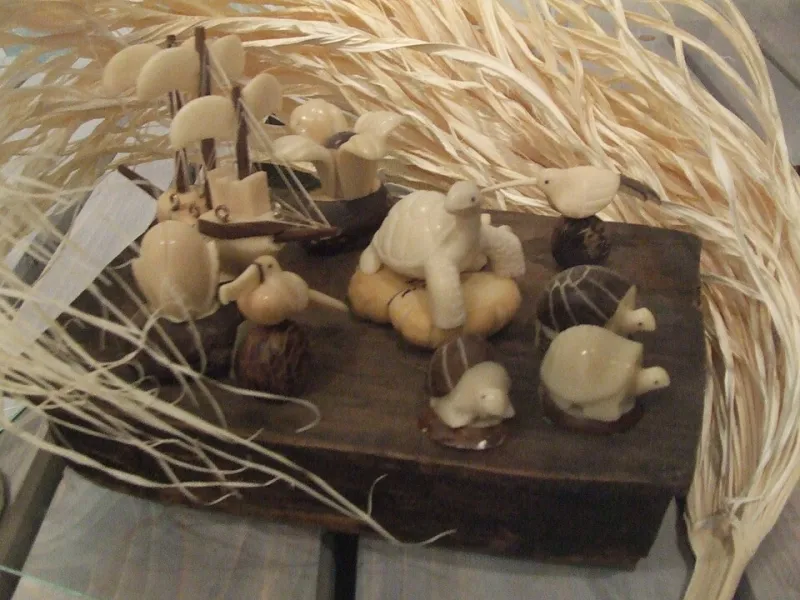
Wood, corozo, tagua, some horn and fabric-covered buttons often sound softer. A thud is not a fault; it tells you the material is less glassy. Pair that sound with touch. Does the button feel warm or cool? Is it light for its size? A soft thud plus a featherweight feel may suit a baby cardigan beautifully, but it is unlikely to be the right choice for a heavy winter duffel.
What touch adds to the conversation
Sound is only half the audition. Run your thumb around the rim and over the face. Sharp seams, rough hole edges and thin patches are all worth noticing. Press a fingernail very gently into the surface — not enough to mark it — to sense any give. Metal should feel cool and solid. Shell often has a subtle coolness and iridescence. Corozo tends to feel warmer in the hand.
Give the shank a tiny wiggle if it has one. A rattle means movement, and movement can mean a future repair. Check the holes for burrs or sharp edges, which will fray thread over time. Two buttons of the same size should feel broadly similar in weight. If one is noticeably lighter, turn it over and look again.
A five-minute counter test
In a shop, ask before you start tapping. Most haberdashery staff will understand; a few may look at you oddly, but that is a small price for a better button.
- Tap the button on a hard surface and listen for a clean response.
- Tap a second from the same pack and compare.
- Run a thumb around the rim and across the holes.
- Gently wiggle any shank and listen for a rattle.
- Hold it against your fabric swatch or thread if you have one with you.
- Look as well as listen. Sound cannot see a hairline crack.
That little routine takes less time than queuing for a coffee. For small makers buying in bulk, it is a sensible quality check before stock goes into a stall display or a packaging session.
Listening after sewing
Once the button is attached, fasten and unfasten it a few times. Listen at the buttonhole. A good fastening sounds like a small punctuation mark: click, done. A crunch may mean the buttonhole is too tight or the thread is too thick. A rattle suggests a loose shank. Give the button a gentle tug, then listen again. For anyone selling handmade garments, this is a lovely final check before an item goes out into the world.
When sound misleads
A button can click beautifully and still have a weak shank. A dull sound might simply be the fabric behind it or a deliberately muted finish. Vintage buttons can sound different after decades in a tin. Use your ears as one tool among several, not as a judge’s gavel.
Next time you are in a haberdashery, resist grabbing the first card you see. Tap one. Listen. Feel. You will soon train your ear, and your sewing box will be all the better for it. Buttons have small voices. They are worth hearing.