Market-Ready Makes: How to Package Buttons and Notions for a Festive Stall
The festive market season is upon us. Village halls, church squares, school fairs and weekend makers’ markets are filling up with fairy lights and the smell of mulled cider, and crafters who sell are busy turning piles of lovely notions into presents that look ready to go under the tree. Good packaging will not fix a poor product, but it can turn a nice button set into a gift someone feels proud to hand over. The good news is that you do not need a huge budget or a print studio. You need consistency, a bit of care and a clear idea of what your customer is actually buying.
1. Start with a simple stall kit
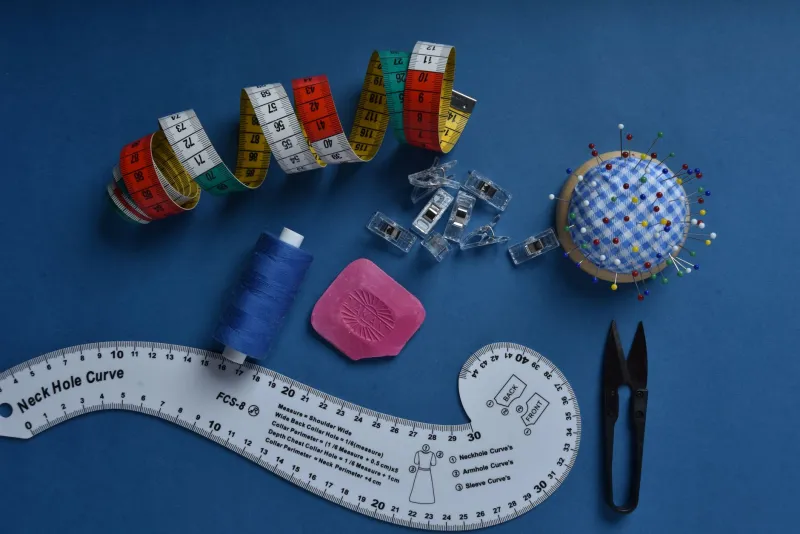
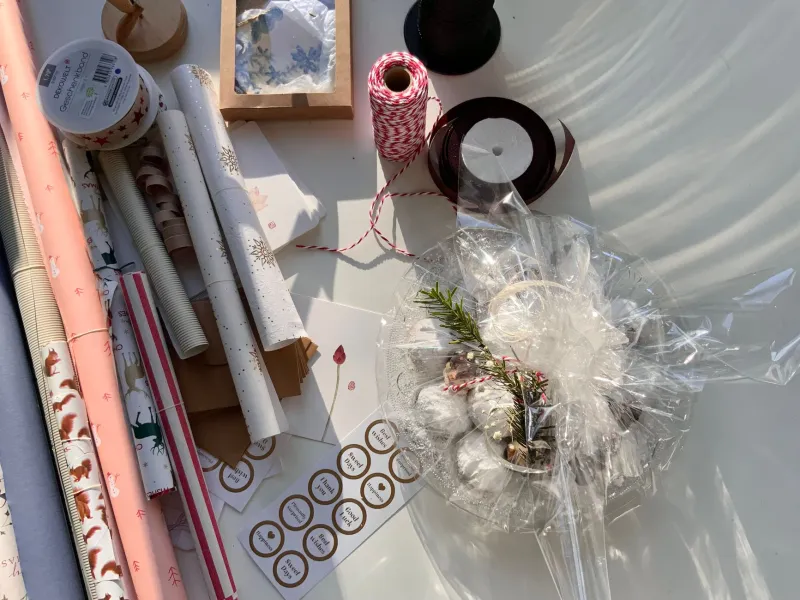
Before you worry about ribbon colours, gather the basics: card blanks, kraft pillow boxes, glassine bags, tissue paper, washi tape, a decent black pen, scissors, a glue stick, a hole punch and some labels. Keep everything in one box so you can pack stock at the kitchen table without hunting for supplies. If you sell at several markets, make a packing checklist and tuck it into the lid.
For buttons, card-backed sets are hard to beat. Cut a rectangle of recycled kraft card, punch two small holes, and thread the buttons on with cotton or fine twine. Write the size, material and quantity on the front. This is cheap, sturdy and lets the customer see exactly what they are buying.
2. Use packaging that suits the product
Ribbons and trims look lovely wound around a piece of card with a neat notch cut into each end. Bias binding can be folded into a small glassine bag with a label showing the width and length. Loose buttons for crafting can go into small paper bags with a printed or stamped header. Notions that might tarnish, such as metal buckles or snap fasteners, are better in small zip bags inside a paper sleeve.
Kraft pillow boxes are ideal for gift sets. They are inexpensive, light to post and look charming with a strip of ribbon and a handwritten tag. Avoid overpackaging: too much plastic and tissue can make a small purchase feel fussy and wasteful. Many UK shoppers actively appreciate paper, card and recyclable materials.
3. Make handwritten tags work harder
A handwritten tag is one of the most affordable branding tools you have. Use a good black pen or a fine liner, keep the wording short and include the useful details: product name, quantity, fibre content or material, and your business name. A tiny care note such as store away from direct sunlight is a thoughtful touch for vintage buttons.
If handwriting every tag sounds daunting, design one simple printed label and leave space for the product name. A stamp with your logo can also add a professional finish. Keep the same typeface and colours across tags, bags and signs so your stall looks cohesive rather than cluttered.
4. Build a small, recognisable brand world
You do not need a full rebrand to look pulled together. Choose two colours, one font and one style of packaging, then stick to them. If your makes are soft and vintage-inspired, cream card, brown kraft and dusty ribbon will feel right. If your buttons are bright and modern, use white card and a bold accent colour.
Little details help: a business card tucked into each bag, a QR code linking to your shop, or a sticker sealing a paper bag. But keep it useful. A customer should be able to see the price, understand the product and find you again online without digging through layers of decoration.
5. Price with a clear head
Festive shoppers are often buying small gifts, so make entry-level prices easy to find. A basket of individual buttons at £1 or £2 each can bring people to the stall, while button sets at £6 to £12 make good stocking fillers. Ribbon bundles and notion kits can sit at £10 to £20. Do not undervalue your time: add up materials, packaging, stall fees and the hours you spend making before you decide on a price.
Pricing psychology is simple at a market. Use round, easy-to-read numbers and avoid too many price points. Group similar items together and label them clearly. If you offer a deal — three cards for £10, for example — make sure it is genuinely simple to understand. Keep a float of change, accept card payments if you can, and display your prices facing outwards so nobody has to ask.
6. Display for browsing, not just looking
A small stall works best when it invites people in. Use boxes and crates to create different heights, but keep the layout uncluttered. Put your best-selling or most colourful items at eye level and keep a clear space at the front for people to pick things up. A small mirror is useful if you sell brooches or button jewellery. A bowl of loose buttons with a sign saying please touch can be a lovely icebreaker.
Lighting matters in a dim village hall. Battery fairy lights can add warmth, but make sure they do not make it harder to see the goods. A simple white cloth over the table will make colours look truer than a dark or patterned cover. Keep a notebook and pen handy for custom requests.
7. Photograph your makes so they sell online
If you sell on a website, Instagram or a local marketplace, your photographs need to do the work of a shop assistant. Use daylight near a window, a plain background and a few simple props: a wooden board, a spool of thread, a piece of linen. Photograph the packaging as well as the product, because buyers want to know what will arrive through the letterbox.
Show scale. A button photographed on its own can look enormous; place it next to a ruler or a hand for context. Take one clear front-on shot, one close-up of the detail and one lifestyle shot showing the item in use. Keep editing gentle and consistent. Slightly warm, natural-looking images tend to suit haberdashery better than harsh filters.
8. Finish with a festive checklist
Before market day, check that every item has a price, every tag is legible and every bag has your business name on it. Pack spare labels, tape, scissors and a repair kit. Take a card reader, a float, a water bottle and a flask. And leave a little space on the table for the unexpected: a bowl of odd buttons, a basket of ribbon ends or a small sign inviting custom orders.
The best festive stalls feel like a glimpse into a maker’s world. Your packaging does not need to be lavish — it needs to be thoughtful, consistent and kind to the product. A neat card-backed button set with a handwritten tag can be every bit as appealing as something wrapped in layers of expensive paper. Make it easy to buy, easy to give and easy to remember.